Gardening
Mental Health
2 minutes
reading time

Jeremiah Earl
7 months ago
The Mental Health Benefits of Gardening
Gardening is more than a hobby. For many older adults it is one of the most quietly powerful things they do for their health and most of them do not even realise it.
Digging in the soil, planting seeds, and nurturing something from nothing provides a sense of accomplishment that is hard to find elsewhere in retirement. There is a reason so many people who feel lost after their career ends find their way back to themselves through a garden. It gives you a reason to get up, go outside, and tend to something that depends on you.
The mental health benefits are well documented. Time spent gardening has been shown to reduce cortisol levels - the stress hormone that runs chronically high in people dealing with grief, loneliness, and anxiety. The physical movement involved, even gentle movement like planting or weeding, triggers the release of endorphins. And the act of focusing on what is in front of you - the soil, the plant, the task - is one of the most natural forms of mindfulness that exists.
There is also something uniquely satisfying about watching something grow because of your effort. A flower blooming, a tomato ripening, herbs filling out on a windowsill. These are small things. But for someone navigating the later years of life, small things matter enormously.
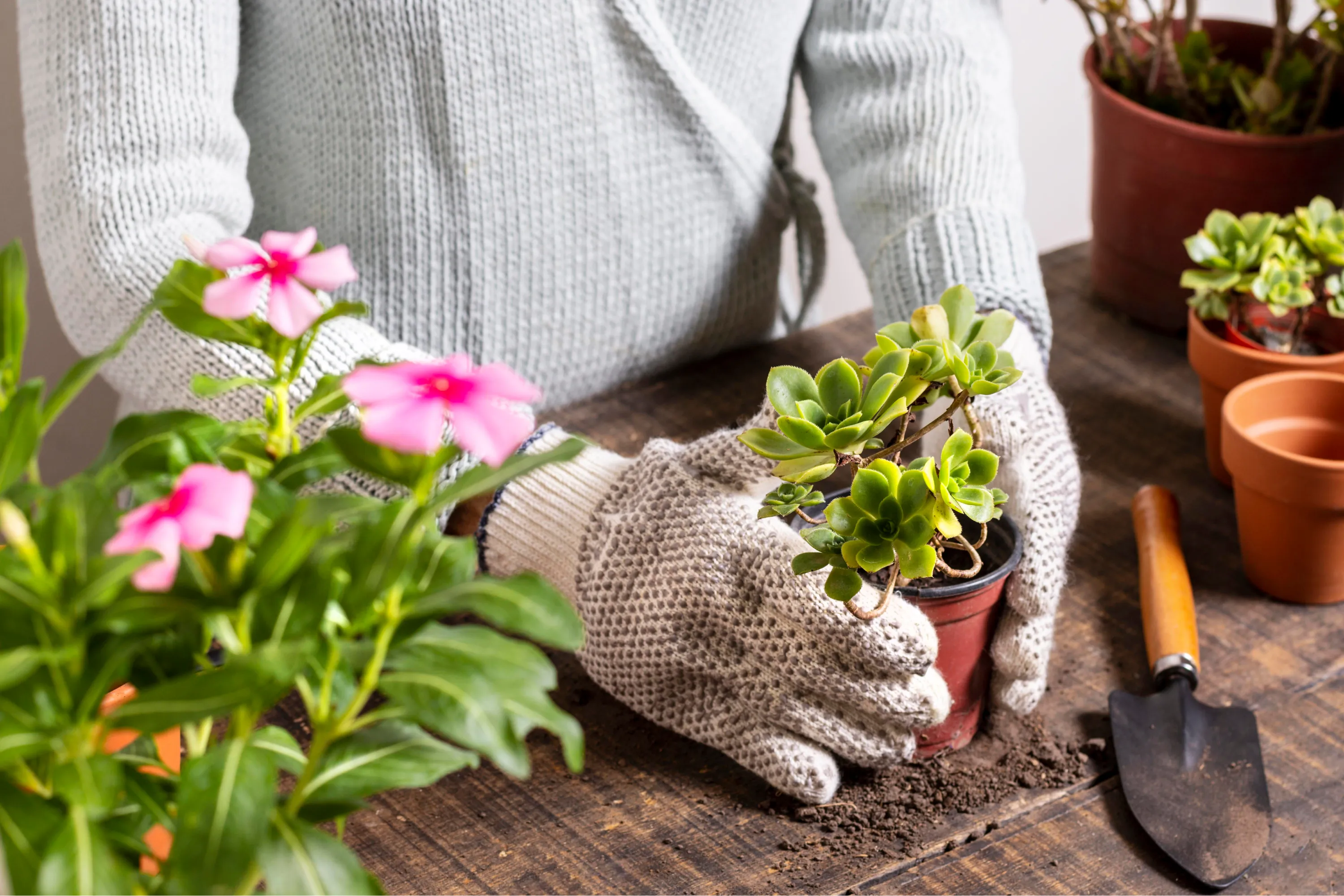
No outdoor space is not an excuse. Indoor gardening - herbs on a kitchen windowsill, small potted plants on a balcony, succulents on a shelf - carries the same benefits. The size of the garden is irrelevant. The act of tending to living things is what matters.
A garden, however small, is a space where life continues to grow. And sometimes that is exactly the reminder we need.